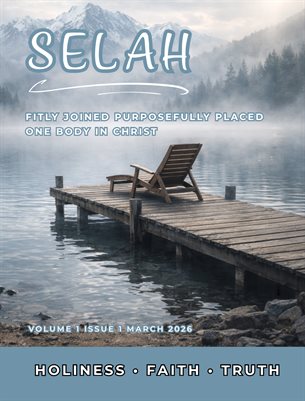
Managing Church Hurt & Spiritual Abuse
What is church hurt?
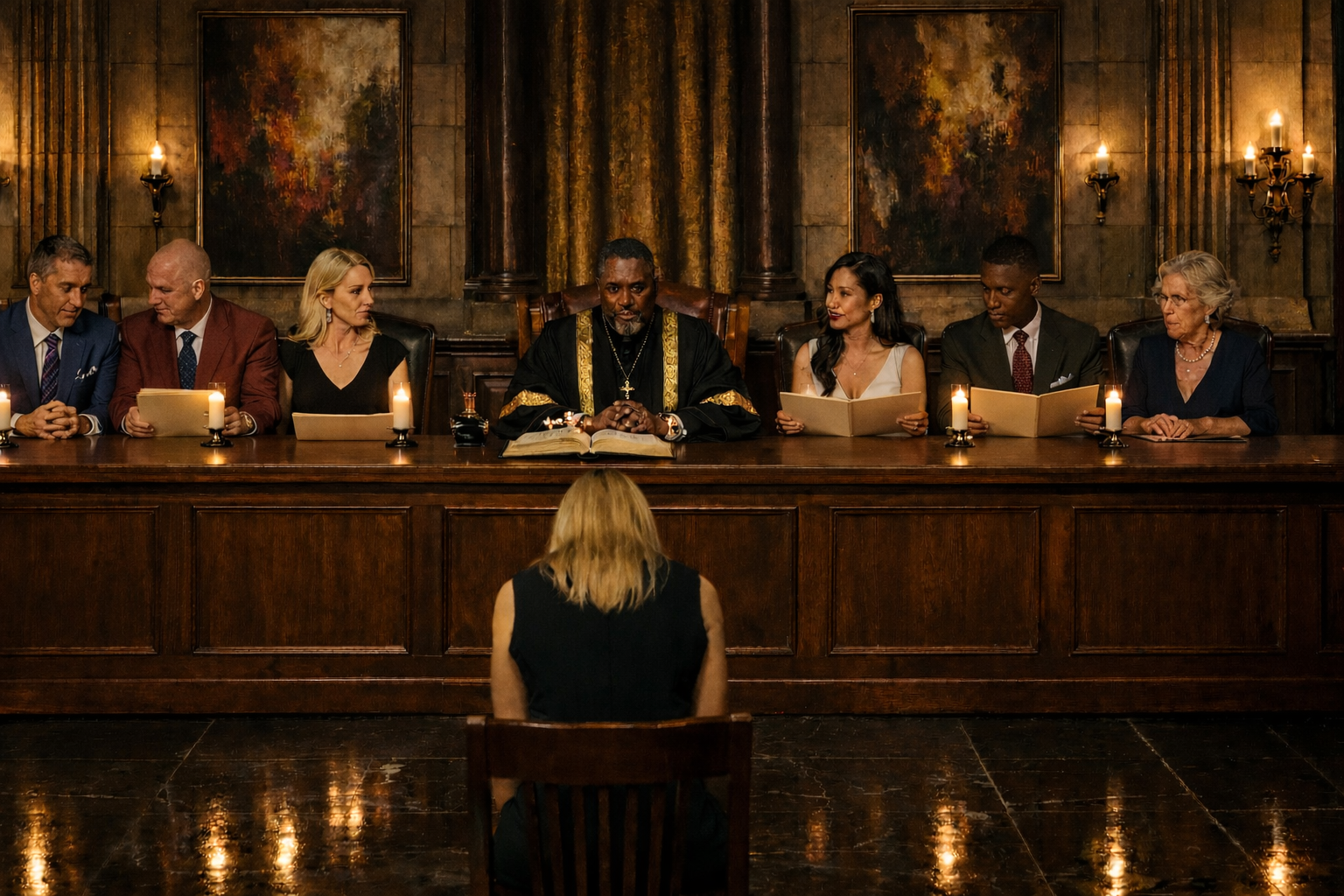
Church hurt is emotional, spiritual, or psychological pain caused by harmful treatment, weither that comes in the form of betrayal, neglect, manipulation, or abuse, within a church or a religious setting.
It happens when the place that was supposed to reflect God’s love instead delivers control, shame, favoritism, hypocrisy, false teaching, or spiritual abuse.
Psalm 55:12–15
12 For it was not an enemy that reproached me; then I could have borne it: neither was it he that hated me that did magnify himself against me; then I would have hid myself from him:
13 But it was thou, a man mine equal, my guide, and mine acquaintance.
14 We took sweet counsel together, and walked unto the house of God in company.
The damage often runs deeper than ordinary conflict because faith, trust, and a person’s relationship with God gets tangled up in the process. This is not new. It's been happening since there has been a church.
Church hurt and spiritual abuse can come from leaders or members and may involve being misled, silenced, publicly embarrassed, spiritually pressured, or emotionally wounded.
For many, it leads to confusion, anger, fear, or even pulling away from Christianity altogether.
At its core, it's not just disappointment in people. It is pain connected to faith, broken trust in spiritual authority, and a direct attack on one’s sense of safety in their walk with God.
What is spiritual abuse? Signs and examples
This is where people get confused, because spiritual abuse rarely looks dramatic at first.
It's often hard to detect until you step back and look at the fruit it has produced in your life.
You may have experienced spiritual abuse if:
1. Scripture was used to control you, not guide you.
Verses were quoted to silence questions, demand loyalty, or pressure obedience to a leader rather than obedience to God.
2. You were made to feel afraid of leaving.
Not just warned about backsliding, but told that leaving that specific church meant you were leaving God, forfeiting blessing, or inviting judgment.
3. Your questions were treated as rebellion.
Healthy leaders welcome honest questions. Abusive systems label them as pride, heresy, or having a bad spirit.
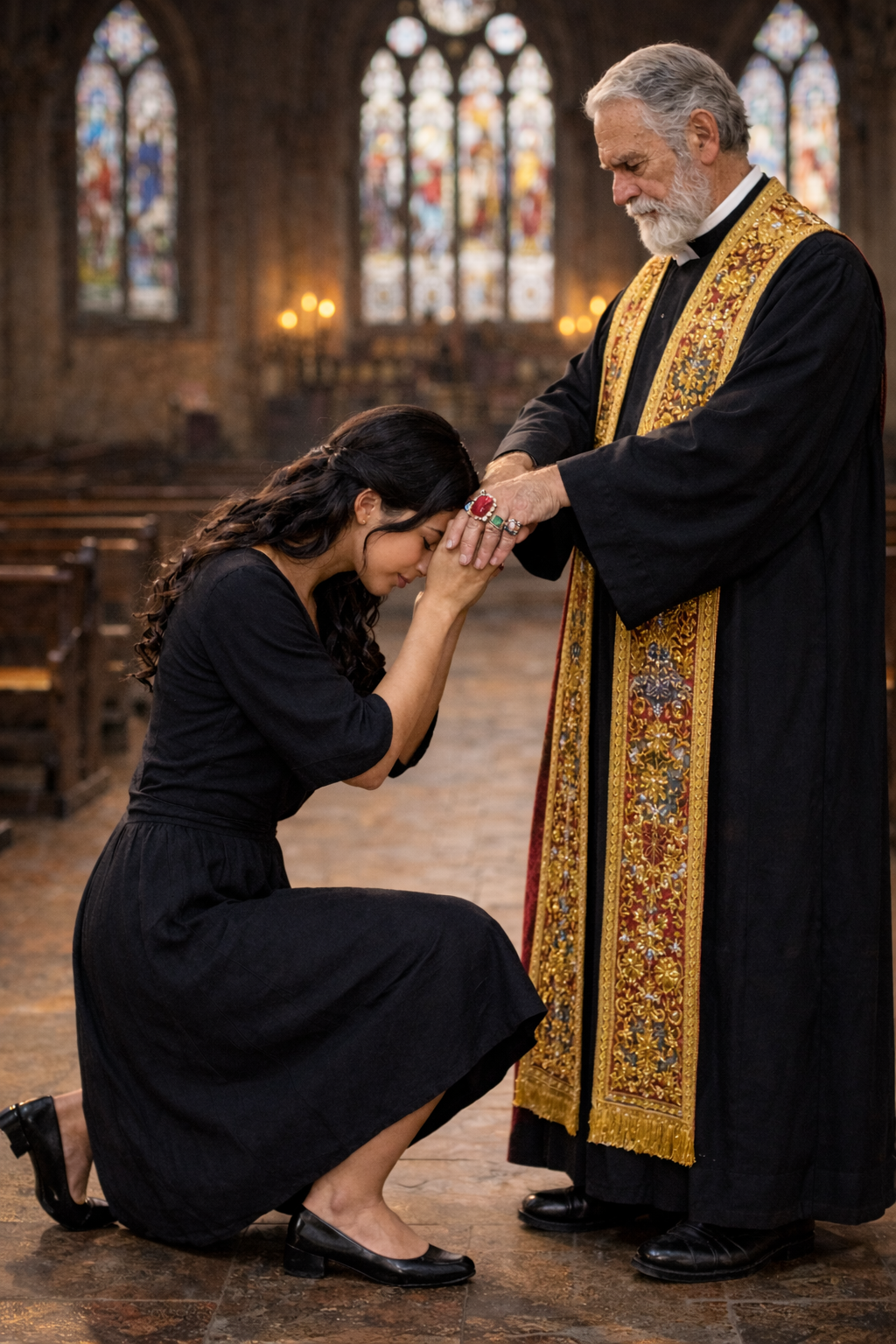
4. Loyalty to a person was elevated above loyalty to Christ.
Disagreeing with leadership felt like betraying God Himself.
5. Shame was used as a weapon.
Public correction, humiliation, or constant reminders of your past kept you intimidated and dependent.
6. You were isolated.
Someone encouraged you to distance yourself from outside counsel, other congregations, or family members who raised concerns.
7. Your conscience was overridden.
You learned to ignore inner conviction and simply comply.
Here is a deeper indicator:
You feel closer to fear than to freedom.
Spiritual abuse leaves you anxious, confused, and unsure of your standing with God, even when you are trying to live right.
A Healthy Christian experience produces conviction, yes, but also clarity, growth, and increasing peace.
Spiritual abuse produces control, dependency, and shrinking confidence.
If what was done to you still feels heavy, coercive, or manipulative, that is not weakness on your part. It is a signal.
And it does not mean you have to abandon your faith.

It may mean you need space to untangle God from the system that mischaracterized Him.
Spiritual abuse scrambles your trust in people and can make you feel like you've lost your footing with God too.
If your goal is not just to escape. But to heal and re-ground your faith in Christ, not people. Here are some steps to consider.
You may find that as you read through these options, you see some that speak to your situation and circumstances.
I've found that it can help to;
Name what happened, and not minimize it. If Scripture was twisted, fear was used, or control replaced love, that was wrong plain and simple. Calling it what it is breaks its power.
Truth brings light. Separate God from the people who misrepresented Him
Others have discovered that if you consistantly reject the shame that was placed on you, it can help to rebuild your faith.
If you can't do that, maybe seeking godly, wise counsel would help. Try to remember, the shame wasn't yours to carry in the first place. It was theirs.
For me, healing began when I stepped away from the voices that kept me anxious, afraid and failing continually.
You don't have to be at every meeting, event, and church service. Especially, if you're having doubts about what's being said and done in the Lords name.
Taking that action alone, gave me the opportunity to meditate on the word of God, and learn the voice of the Holy Spirit again.

Forgive, but do it carefully, not foolishly. The Bible says to forgive true enough, but it also says in Romans 16:17 "...mark them that cause divisions and offences contrary to the doctrine which ye have learned, and avoid them."
It's not a contradiction.
Start small, take steps to be obedient to all you know every day.
And finally, remember the battle is spiritual not carnal. "The weapons of our warfare are not carnal but mighty through God to the pulling down of strongholds." 2 Corinthians 10:14
God did not wound you. People did. Abusive leadership often acts in God’s name, but that does not make their behavior His character.
Read your bible see how Jesus Christ treats the weak, the confused, the ashamed, and the proud. That's Gods character.
You are not required to stay in a harmful environment to prove faithfulness.
Time and space allow your heart and mind to calm so you can hear Gods voice without pressure.
Healing needs quiet.

Many of us have found that quiet, honest prayer brings more peace than polished language, and that reading Scripture with curiosity, not striving, opens the heart.
Talk to God about your anger, confusion, and hurt. He already knows all about it.
This is relationship, not religion.
Spiritual abuse often makes victims feel like the problem. Conviction from God leads to hope and change. Condemnation that crushes you is not from Jesus, it's of the enemy.
There is a difference.
We are mature believers who won't try to control, rush, or dismiss your story. Healing often happens in healthy connection and communication.
You do not have to carry this alone.
Forgiveness releases your heart to God. It does not mean returning to unsafe leadership, or pretending nothing happened. Boundaries are biblical.
Forgiveness and wisdom can coexist.
Jesus leads with truth and gentleness, not intimidation. As you grow closer to Him, fear decreases and clarity increases. His yoke is easy, his burden is light.
Closeness to Christ restores what abuse tried to steal.
Healing faith grows through simple acts of obedience: prayer, studying Scripture, honesty, turning from willful sin, and choosing peace.
Small steps helps to rebuild spiritual confidence.
Growth is steady, not instant.
The enemy wants you bitter, isolated, and faithless. But God wants you healed, grounded, and strong. Resist lies with truth. Stay near to Christ.
Abuse only wounded you for the present. It does not dictate your future.
Philippians 3:13–14
13) "Brethren, I count not myself to have apprehended: but this one thing I do, forgetting those things which are behind, and reaching forth unto those things which are before,
14) I press toward the mark for the prize of the high calling of God in Christ Jesus."
SELAH magazine is freely available to read and download, and may be shared with others without charge.
Those who wish to support the work may do so by clicking the link below, and make a free will donation of any amount, but no payment is required.
Pause. Reflect. Return.

If you're seeking the Lord or dealing with hurt and abuse, SELAH offers a quiet, safe place to meet Jesus, heal, and grow in grace. A place to worship in spirit and in truth.
SELAH is here! Sign up to be on the subscription list. It's free. Come see who we are.
Psalm 34:8
O taste and see that the Lord is good: blessed is the man that trusteth in him.
YOU'RE NOT TOO FAR GONE TO BE SAVED, IT'S NOT TOO LATE TO BE CHANGED...
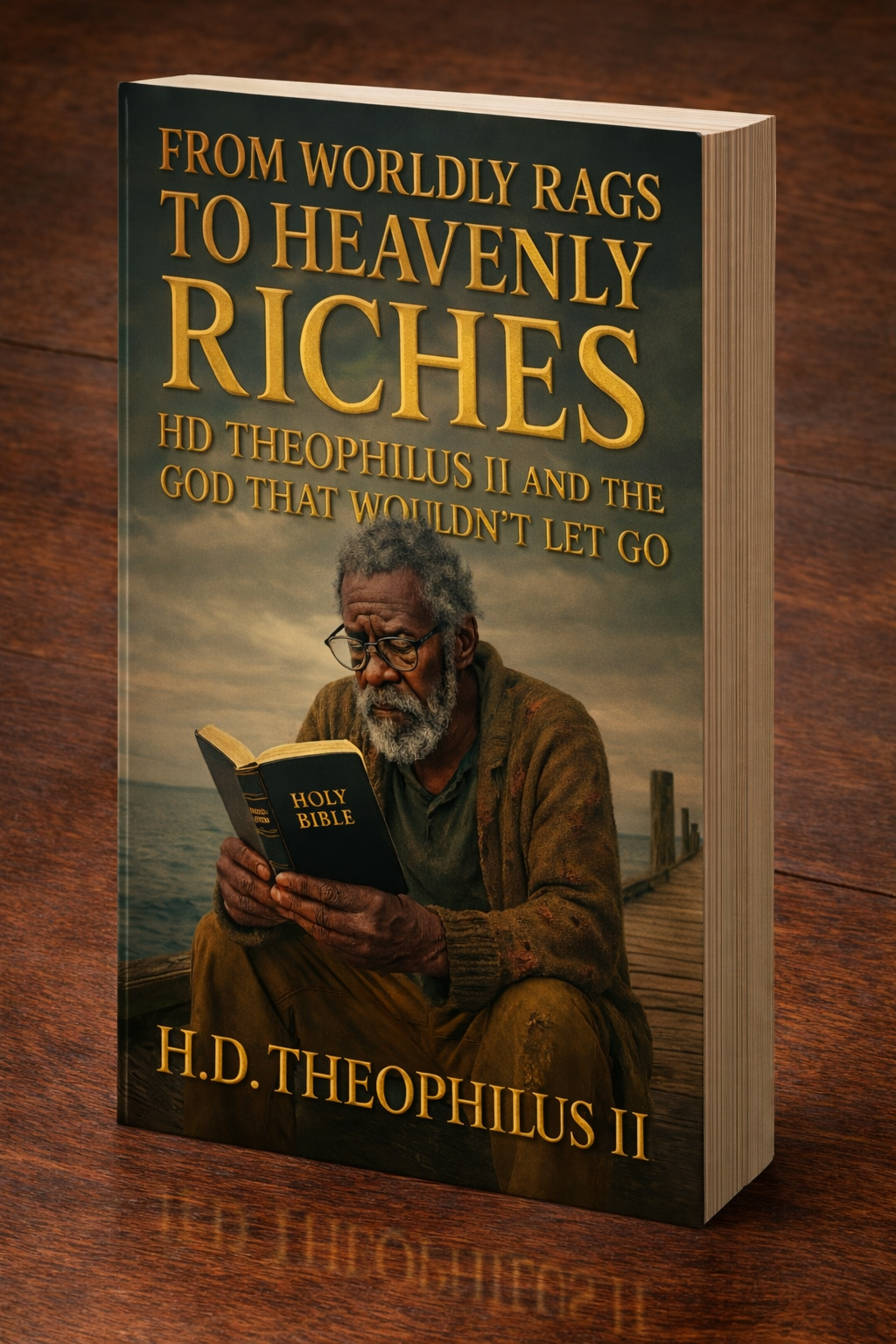
From Worldly Rags to Heavenly Riches is a raw story of broken choices, spiritual blindness, and the relentless mercy of God.
For anyone who has wandered, backslidden, or felt too far gone, it shows that Christianity is not performance but surrender, not image but inner change.
This is real redemption, step by step, as God restores purpose, brings healing, and turns spiritual poverty into lasting riches. https://a.co/d/0dPMPd4l
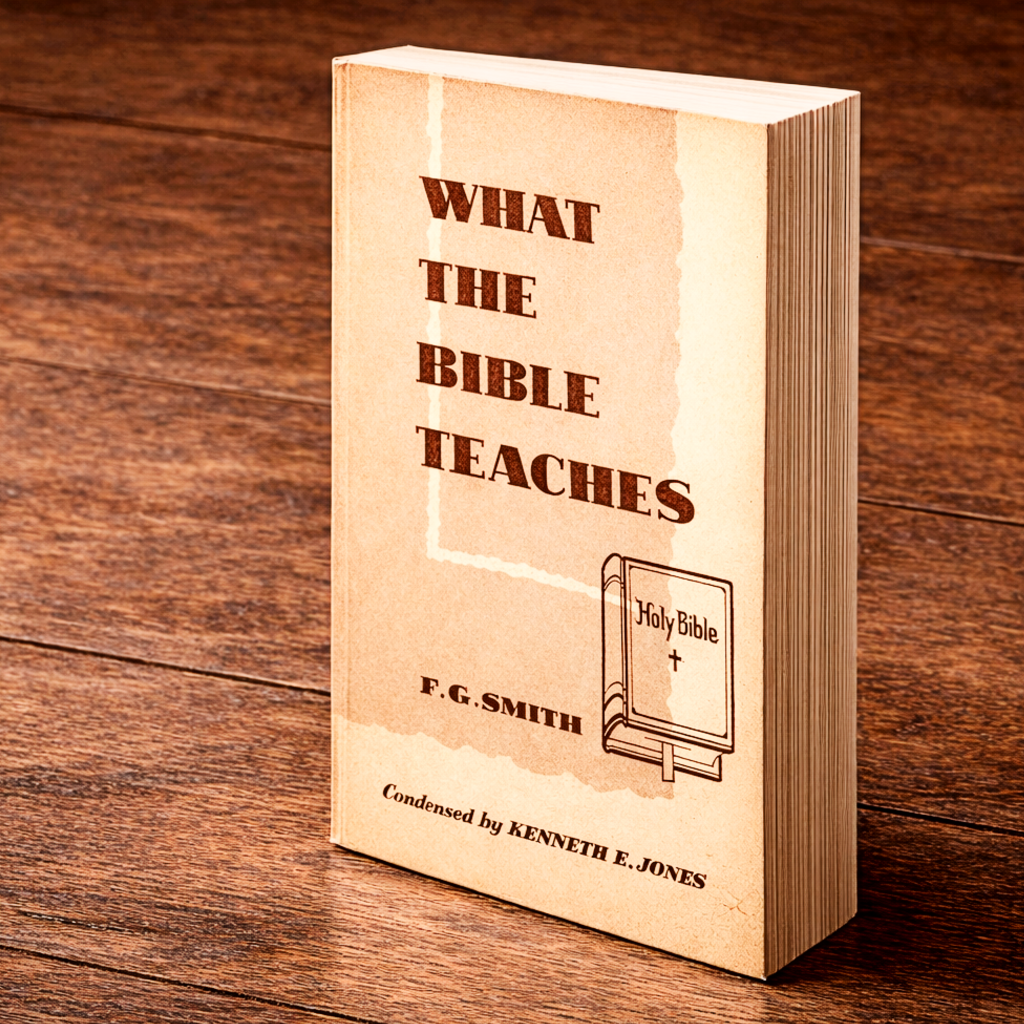
Discover What the Bible Teaches, a timeless resource exploring the foundational truths of Scripture.
This work offers clear, scripture-based insight designed to separate the pure Word of God from man-made religion.
Available as a free downloadable PDF, this book was originally published by the Gospel Trumpet Company and can now be accessed online at ChurchofGodEveningLight.com.